The question an open engine invites
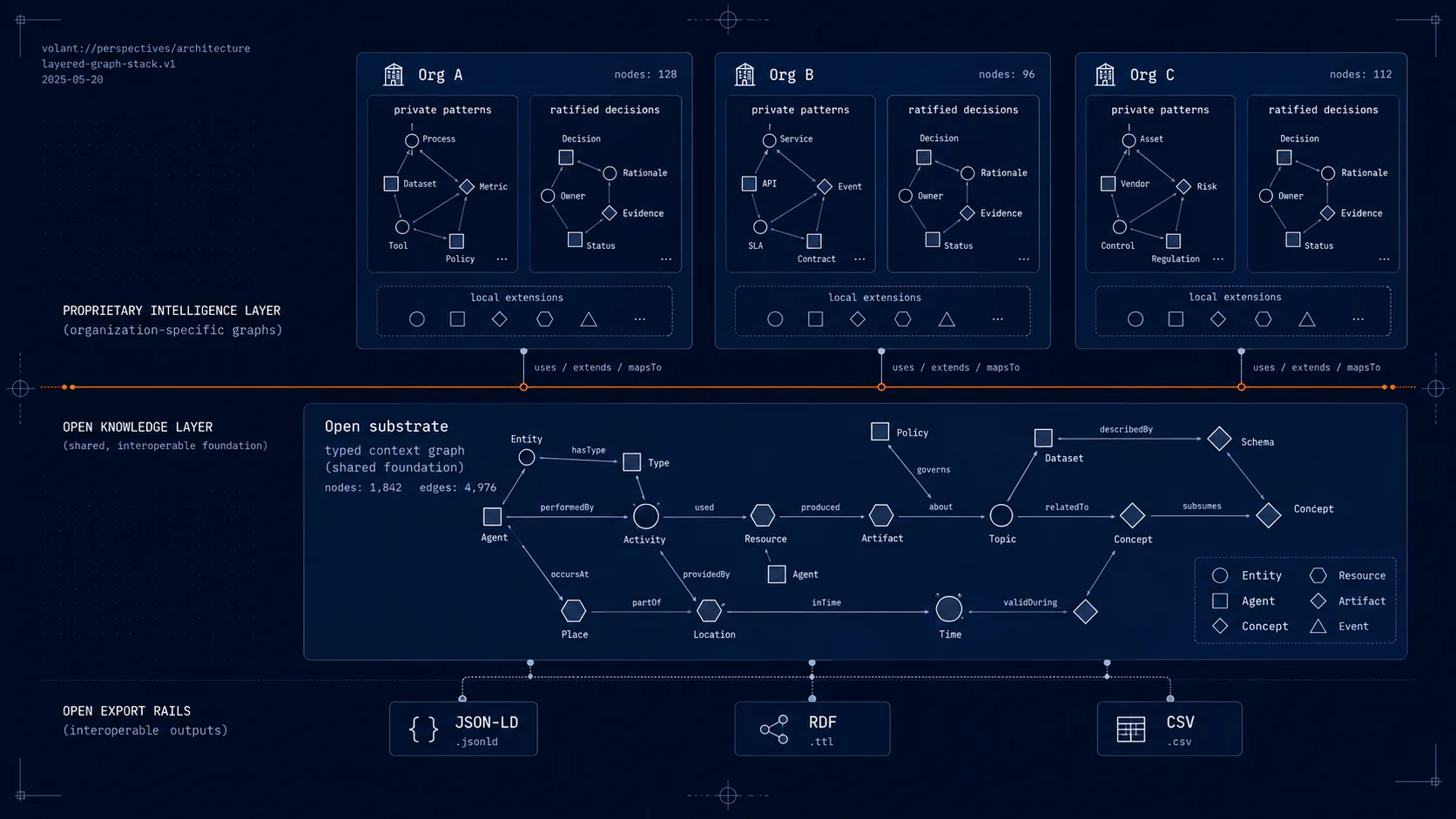
Vellis is an open graph engine: anyone can run it, inspect it, and keep its state under local control. That openness invites a fair question from both directions. Skeptics ask what stops the open foundation from becoming a dependency once adoption is deep. Adopters ask what is actually theirs if the machinery is shared. The answer is a line, and this note is about where it sits.
Open does not mean undifferentiated
The line is not open versus proprietary. It is substrate versus accumulated intelligence. The substrate — schema, graph operations, snapshot and recovery paths, and the basic affordances that let a team model its world — is shared machinery, and Vellis keeps it open.
The proprietary value lives in the work an organization does with that machinery. Their domain model, policy choices, operating history, reviewed decisions, and learned patterns are not generic infrastructure. They are the compounding record of how that organization thinks and acts.
Recoverability is the trust signal
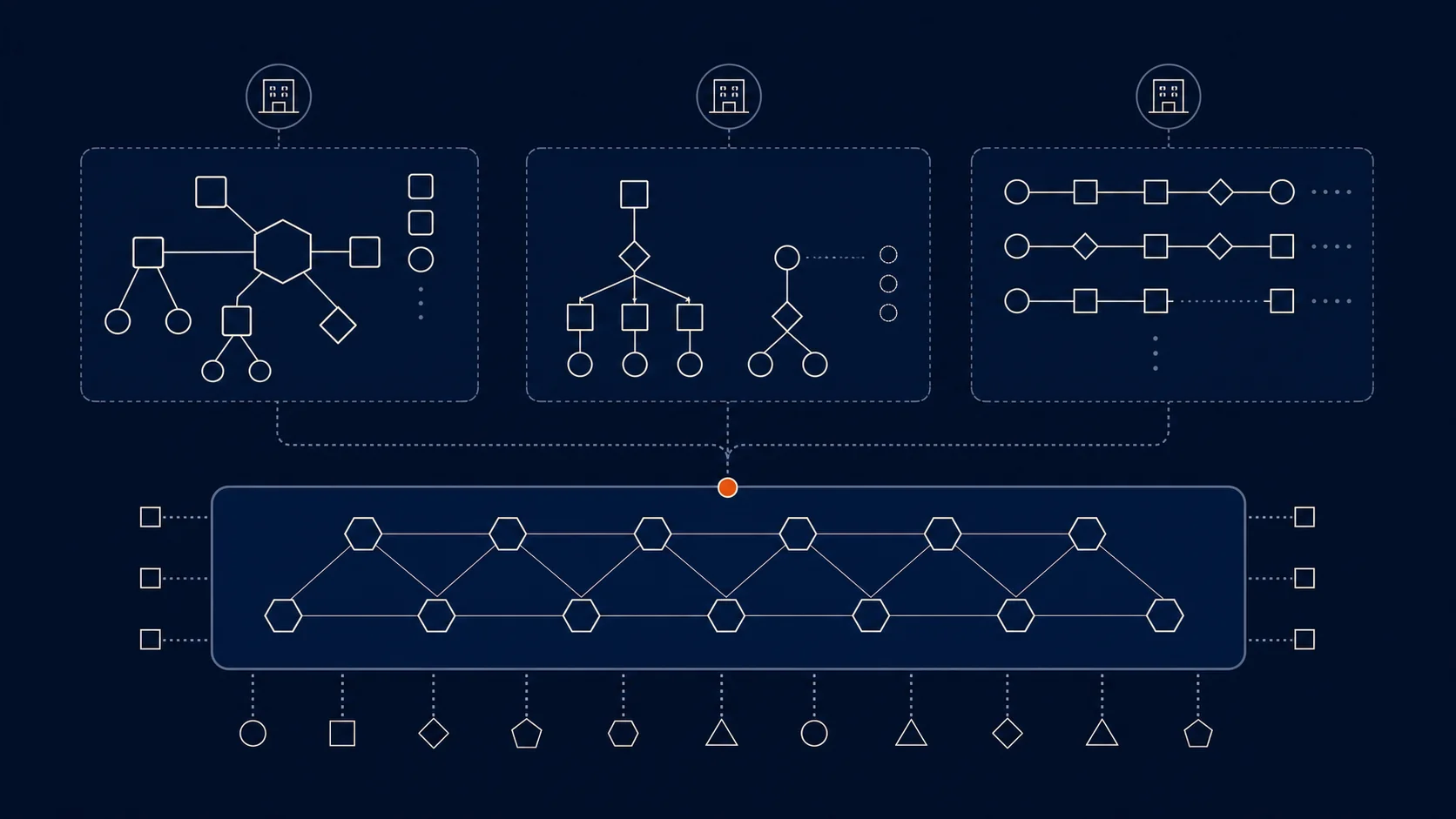
A system that promises compounding intelligence has to answer a simple fear: can we reconstruct the state we depend on? Vellis answers by keeping the substrate locally runnable and making snapshots, restore, ledger replay, and rebuilt-state verification part of the operating model. Recoverability is not a footnote; it is how ownership becomes testable.
That is why production support should not compete with Vellis. The governed production path can add write gates, audit traces, approvals, and enterprise controls. It should not make the open substrate feel like bait.
The line makes both sides stronger
When the open layer is real, more people can inspect, run, and extend the basic model. When the proprietary layer is respected, organizations can invest in their own operational graph without worrying that their intelligence is being laundered into a vendor moat.
The result is a healthier bargain: open knowledge mechanics, proprietary intelligence where it belongs, and a graduation path that adds governance without rewriting the organization's world.